


Balayage vs Highlights: Key Hair Color Differences and Trends
Balayage vs Highlights – Which One Is Right for You?
Choosing a new hair color can feel exciting, but also surprisingly confusing. If you have been browsing salon inspiration or scrolling through the latest hair trends, you have probably seen two terms everywhere: balayage and highlights. Both can brighten your hair, add dimension, and create a fresh new look, but they are not the same technique.
Understanding the balayage vs highlights debate matters because the right choice depends on more than just what looks pretty in a photo. Your natural hair color, desired maintenance level, budget, and overall style all play a role. Some people want a soft, sun-kissed blend that grows out naturally. Others want brighter contrast and a more polished, structured finish.
In this guide, we will break down the key hair color difference between balayage and highlights, explain the pros and cons of each, and help you decide which option best suits your hair goals.
What Is Balayage?
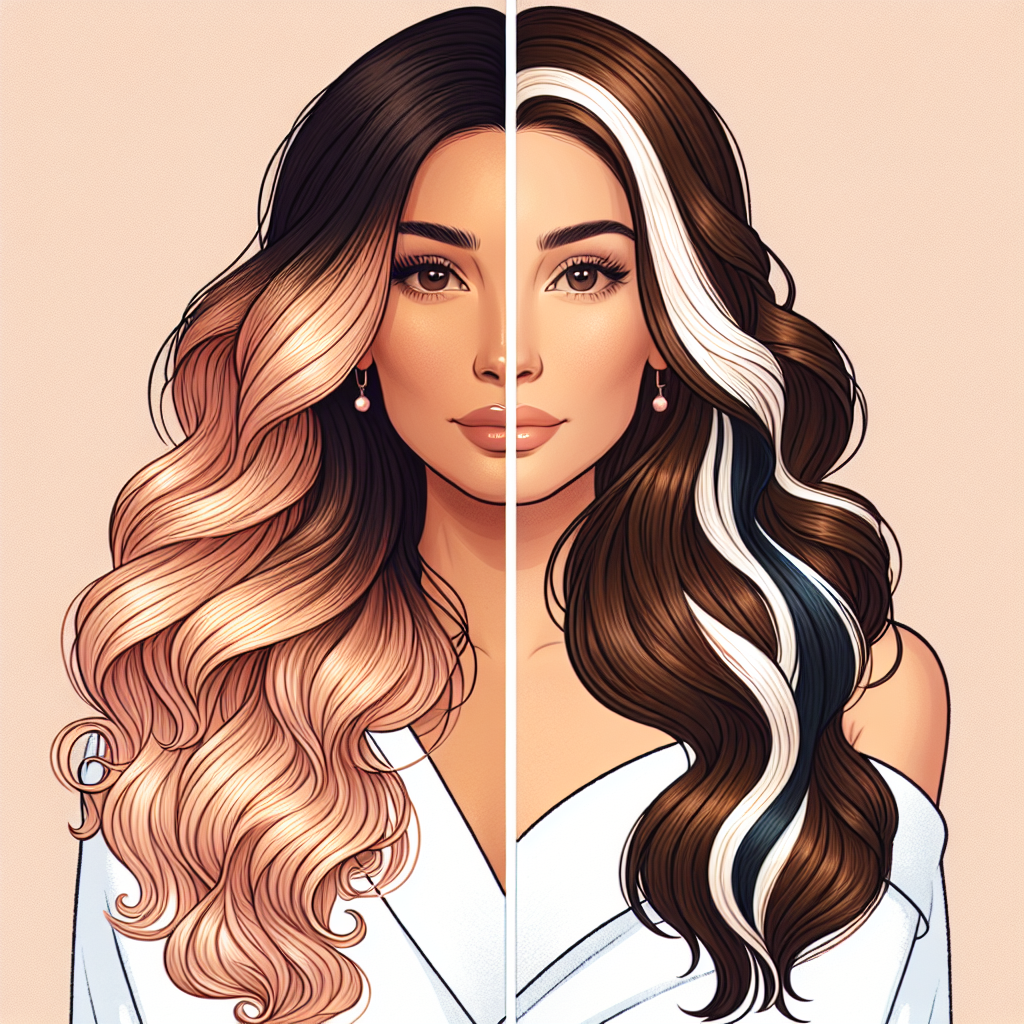
Balayage is a hair coloring technique where color is hand-painted onto the hair in a sweeping motion. In fact, the word “balayage” comes from the French word meaning “to sweep.”
Unlike traditional foil highlights, balayage is designed to create a softer, more natural-looking finish. The color is usually applied more heavily through the mid-lengths and ends, while the roots stay more natural and blended. The result is often described as sun-kissed, effortless, and dimensional.
What Balayage Looks Like
Balayage usually creates:
- A gradual transition from darker roots to lighter ends
- Soft ribbons of color rather than uniform streaks
- A more lived-in, low-maintenance finish
- Natural dimension with less obvious regrowth
Think of the kind of hair color you might get after a long summer at the beach: brighter around the face and ends, but still blended and soft.
Common Balayage Styles
Balayage is versatile and can be subtle or dramatic depending on the application. Popular variations include:
- Soft caramel balayage on brunette hair
- Honey blonde balayage for warm, glowy dimension
- Ash blonde balayage for cooler tones
- Face-framing balayage to brighten the front pieces
- Reverse balayage to add darker depth back into overly light hair
One reason balayage remains one of the biggest hair trends is that it works on many hair lengths, textures, and colors.
What Are Highlights?
Highlights are sections of hair that are lightened from the natural base color. Traditional highlights are usually done with foils, which separate strands of hair and allow the stylist to create more precise, consistent lightness throughout the hair.
Highlights can be subtle or bold, depending on the size, placement, and number of sections. They often begin closer to the roots than balayage, which gives a brighter, more all-over lightened effect.
What Highlights Look Like
Highlights typically create:
- More uniform lightened strands
- Brightness from root to end
- More contrast between the base color and lighter pieces
- A polished, structured result
If you want to look noticeably blonder or lighter overall, traditional highlights are often the faster route.
Common Highlight Variations
Highlights are not one-size-fits-all. Techniques can include:
- Partial highlights for brightness around the face and top layer
- Full highlights for an all-over lighter effect
- Babylights for very fine, delicate highlights
- Lowlights to add darker depth and contrast
- Chunky highlights for a bolder, more dramatic look
Highlights have been a salon staple for decades because they are customizable and effective for creating visible brightness.
Balayage vs Highlights: The Main Hair Color Difference
When comparing balayage vs highlights, the biggest hair color difference is how the color is applied and how it grows out.
Application Technique
Balayage
- Hand-painted directly onto the surface of the hair
- Usually freehand, though some stylists may use film or cotton for separation
- Focuses on natural placement and soft blending
Highlights
- Hair is sectioned and wrapped in foils
- Lightener is applied more precisely from near the roots to the ends
- Creates a more controlled, even lightening pattern
Final Look
Balayage
- Soft, seamless, and dimensional
- Often more natural-looking
- Brighter toward the ends and around the face
Highlights
- Brighter and more defined
- More consistent from roots to ends
- Can create a more noticeable blonde transformation
Grow-Out
Balayage
- Grows out softly with less noticeable root lines
- Often requires fewer touch-ups
Highlights
- More visible regrowth because color usually starts closer to the scalp
- May need maintenance more often
Overall Vibe
A simple way to think about it:
- Balayage = effortless, lived-in, beachy
- Highlights = brighter, cleaner, more classic
Neither is better in every case. The right choice depends on the result you want.
Pros and Cons of Balayage
Balayage is incredibly popular, but that does not mean it is the perfect fit for everyone.
Pros of Balayage
Low Maintenance
Because balayage is blended and usually does not start directly at the roots, grow-out looks softer. This makes it ideal for anyone who does not want frequent salon visits.
Natural-Looking Dimension
Balayage mimics the way hair naturally lightens in the sun. It often looks softer and less “done” than traditional highlights.
Custom Placement
A stylist can place color strategically to flatter your haircut, face shape, and natural movement.
Works Well on Many Hair Colors
Brunettes, dark blondes, redheads, and even some black hair shades can all benefit from balayage when done correctly.
Cons of Balayage
It May Not Get You Extremely Blonde in One Session
If your goal is a dramatic all-over blonde transformation, balayage may not lift enough hair in a single appointment.
Results Depend Heavily on Stylist Skill
Because balayage is hand-painted, it requires artistry and experience. An inexperienced application can look patchy or uneven.
It Can Still Be Expensive
While it may require fewer touch-ups, balayage often has a higher upfront salon cost because it is a customized service.
Pros and Cons of Highlights
Traditional highlights remain popular for a reason. They can create brightness quickly and precisely.
Pros of Highlights
Maximum Brightness
Highlights are often the best option if you want to go significantly lighter throughout your hair.
Consistent, Even Lightening
Foils allow stylists to control placement and saturation more precisely, which can create a cleaner final result.
Great for Full Blonde Transformations
If you want to shift your overall look to a much lighter blonde, highlights are often more effective than balayage alone.
Customizable to Different Styles
From ultra-fine babylights to bold ribbons, highlights can be adjusted to match your desired finish.
Cons of Highlights
More Frequent Maintenance
Because highlights usually begin near the roots, regrowth becomes visible sooner.
Can Look Less Natural if Overdone
If the color contrast is too strong or the placement is too uniform, highlights may appear stripey or harsh.
Potentially More Damage with Frequent Sessions
Regular root touch-ups and repeated lightening can take a toll on hair health over time.
Which Option Looks More Natural?
If your top priority is a natural, blended effect, balayage usually wins.
That said, highlights can also look very natural when done as fine babylights or combined with a root smudge or toner. The difference is that balayage is specifically designed to create softness and movement, while traditional highlights are designed to create brightness and definition.
Example
Imagine two brunettes who want lighter hair:
- Person A wants soft caramel pieces that look like they appeared naturally over time. Balayage is likely the better fit.
- Person B wants to become noticeably lighter and brighter all over, especially from the roots. Highlights may be the better option.
Natural-looking does not always mean subtle. A skilled stylist can create either service in a way that suits your personal style.
Which Is Easier to Maintain?
In the balayage vs highlights conversation, maintenance is often the deciding factor.
Balayage Maintenance
Balayage is generally lower maintenance because the roots remain more natural. Many people can go 8 to 16 weeks between major appointments, depending on their hair growth and desired look.
Typical upkeep may include:
- Toner glosses between appointments
- Purple or blue shampoo for blonde tones
- Hydrating masks for color-treated hair
- Occasional face-framing refreshes
Highlights Maintenance
Highlights usually require more frequent salon visits. Most people need touch-ups every 6 to 10 weeks if they want to keep the color bright and the roots blended.
Typical upkeep may include:
- Root touch-up highlights
- Toner appointments
- Deep-conditioning treatments
- Color-safe products to reduce brassiness
If you have a busy schedule or prefer fewer salon visits, balayage may feel much more manageable.
Which Costs More?
The answer depends on the salon, stylist experience, hair length, and how much work your hair needs. In many salons:
- Balayage may cost more initially because it is customized and time-intensive
- Highlights may be similar in price or slightly less for the first visit, depending on whether you choose partial or full foils
- Maintenance is often more expensive over time with highlights because appointments tend to be more frequent
Cost Consideration Example
A balayage appointment may feel like a larger upfront investment, but if you only refresh it a few times a year, your annual cost may end up being lower than frequent highlight touch-ups.
Ask your stylist not only about the first appointment cost, but also about long-term maintenance. That gives a more realistic picture.
Balayage vs Highlights for Different Hair Types
Your hair type and texture can affect which technique works best.
Fine Hair
Both balayage and highlights can work on fine hair, but highlights may create the illusion of more overall brightness and fullness. Balayage can also add dimension, though if done too sparingly, it may not show up as much.
Best choice: Depends on your goal
- For soft dimension: balayage
- For visible brightness: highlights
Thick Hair
Thick hair handles both techniques well. Balayage can look especially beautiful because there is more room for painted dimension and blending.
Best choice: Balayage for a soft, dimensional effect; highlights for a brighter transformation
Curly Hair
Balayage often looks stunning on curly hair because the hand-painted pieces emphasize shape and movement. Foil highlights can also work well, but they may appear more structured.
Best choice: Balayage is often preferred for a natural, dimensional result
Dark Hair
If you have dark brown or black hair, balayage can create beautiful caramel or toffee ribbons without requiring full-root upkeep. Highlights can create more contrast, but they may need careful toning to avoid brassiness.
Best choice: Balayage for softer contrast; highlights for stronger lift
Blonde Hair
If you are already blonde and want more brightness, highlights may give you the cleanest, brightest result. Balayage can still work beautifully if you want a softer, beachier blonde.
Best choice: Highlights for maximum blonde; balayage for lived-in blonde
Who Should Choose Balayage?
Balayage may be right for you if:
- You want a soft, natural-looking finish
- You prefer low-maintenance color
- You like the look of darker roots and lighter ends
- You want dimension rather than full all-over brightness
- You are drawn to effortless, modern hair trends
- You do not want obvious lines as your hair grows out
Example Scenario
You have medium brown hair and want a warm, glowy refresh, but you do not want to visit the salon every six weeks. A caramel balayage would likely give you the brightness you want while staying easy to maintain.
Who Should Choose Highlights?
Highlights may be right for you if:
- You want to be significantly lighter throughout
- You like color that begins closer to the roots
- You prefer a brighter, more polished finish
- You want more uniform blonde pieces
- You do not mind regular maintenance appointments
- You are aiming for a classic highlighted look
Example Scenario
You have dark blonde hair and want to become a bright, creamy blonde for summer. Full highlights or babylights will probably get you there faster than balayage alone.
Can You Combine Balayage and Highlights?
Absolutely. In fact, many of today’s most flattering salon looks blend both techniques.
A stylist may use:
- Foil highlights for lift and brightness
- Balayage for softness and dimension
- Face-framing pieces for extra pop
- Root smudge or shadow root for seamless blending
- Toner to refine warmth or coolness
This hybrid approach can give you the best of both worlds: bright blonde impact with a more natural grow-out.
Example of a Combination Service
A client with dark brown hair wants to go noticeably lighter but still wants an easy grow-out. A stylist might place foil highlights through the top and front for strong lift, then add balayage through the mid-lengths and ends to soften the transition.
This is one reason the balayage vs highlights conversation is not always a strict either-or choice. Many modern color services are personalized blends.
Questions to Ask Before Choosing
Before booking your appointment, ask yourself a few key questions.
How Light Do You Want to Go?
If you want a major blonde transformation, highlights may be more effective. If you want subtle brightness, balayage may be enough.
How Often Do You Want to Visit the Salon?
If frequent touch-ups are not realistic, balayage is often more practical.
What Is Your Budget?
Think beyond the first appointment and consider long-term upkeep.
What Kind of Look Do You Love?
Do you prefer soft and sun-kissed, or bright and polished?
How Healthy Is Your Hair?
If your hair is already fragile or overprocessed, your stylist may recommend a gentler, phased approach regardless of the technique.
Tips for Maintaining Either Look
Whether you choose balayage or highlights, aftercare matters. Healthy hair always makes color look better.
Use Color-Safe Products
Choose shampoo and conditioner made for color-treated hair to reduce fading.
Protect Against Heat
Use a heat protectant before blow-drying, curling, or straightening. Excess heat can dull your color and dry out the hair.
Schedule Toner Appointments
Toners help keep blonde, caramel, or ash shades looking fresh rather than brassy.
Deep Condition Regularly
Lightened hair needs moisture. Weekly masks can improve softness, shine, and strength.
Protect Hair From Sun and Hard Water
UV exposure and minerals in water can affect color. A leave-in product with UV protection or a shower filter may help.
Common Myths About Balayage and Highlights
Myth 1: Balayage Is Always Better Than Highlights
Not true. Balayage is trendy, but highlights may be the better choice if you want more lift and brightness.
Myth 2: Highlights Always Look Stripey
Not when done well. Modern highlights, especially babylights and fine weaving techniques, can look very soft and natural.
Myth 3: Balayage Is No-Maintenance
Balayage is lower maintenance, not maintenance-free. Toner, hydration, and occasional refreshes still matter.
Myth 4: Only Blonde Hair Can Have Balayage or Highlights
Both techniques can be tailored for brunettes, redheads, and many darker shades.
Final Thoughts: Balayage vs Highlights
When it comes to balayage vs highlights, there is no universal winner. The real question is which service matches your lifestyle, hair goals, and personal style.
Choose balayage if you want soft, dimensional color with a natural grow-out and lower maintenance. Choose highlights if you want brighter, more noticeable lightness and do not mind more frequent salon visits. If you love elements of both, a customized combination may be your best option.
The most important hair color difference is not just the technique, but the outcome you want to live with every day. A consultation with a skilled stylist can help you decide what suits your hair best while keeping it healthy and beautiful.
In the end, both options can be gorgeous. The right choice is the one that makes you feel like the best version of yourself.